If you want a luau video that feels alive, film with a little strategy. Check the house rules first, then catch the big stage views, the imu reveal, quick close shots of drums, leis, and hands at work, and a few honest audience reactions. Keep clips short, frame steady, and let the chants and MC carry the sound. Skip the endless zooms, buffet close-ups, and any sacred moment you shouldn’t film. The best parts come down to timing.
Key Takeaways
- Check venue filming rules first, including flash, tripod, fire-knife, and sacred-ceremony restrictions; if staff says no, stop filming immediately.
- Arrive early to capture the imu reveal, artisans, and preshow activities, and choose center, aisle, or slightly raised seats for cleaner angles.
- Film steady 10–20 second clips, starting with wide stage shots, then add close-ups of dancers’ hands, costumes, and musicians’ instruments.
- Prioritize respectful coverage of imu and ceremonial moments with medium or wide shots, natural sound, and calm camera movement instead of intrusive face-level zooms.
- Skip excessive zooming, shaky handheld footage, side-section seats, buffet-line audio, and recordings of private or sacred moments without permission.
Check Luau Filming Rules First
Before you hit record, check the luau’s filming rules because they can change a lot from one venue to the next. Some shows ban video entirely, while others allow it with tight limits. Ask at ticketing or scan the luau’s website before you unpack your camera. Find out whether flash, tripods, or filming during fire knife dances are allowed. Safety and performer rights often shape those rules.
You should also check your ticket tier. Better seats may come with extra photo access, while general admission might keep you seated. If a ceremony feels sacred or private, don’t record it. Respect matters as much as sharp footage. And if you plan to post or sell clips, ask about commercial use permissions and possible fees too. At venues like Mauka Warriors Luau, reviewing photography tips alongside filming policies can help you avoid gear or timing mistakes.
Learn the Luau Schedule Before You Shoot
You’ll get better luau footage when you learn the schedule as soon as you book, from door-open time to dinner and the main show. If you arrive early, you can catch the smoky imu reveal, lei-making tables, and other preshow moments before the crowd fills in. It also gives you time to claim a smart camera angle, catch the sunset, and avoid that classic vacation move of filming the back of someone’s head. Knowing the luau timeline from arrival to grand finale also helps you pace your filming so you don’t waste battery before the biggest performances begin.
Know The Timeline
Even a beautiful luau can catch your camera flat-footed if you don’t know the order of events. Check the schedule before you go. You’ll know when dinner starts, when the main performance begins, and whether pre-show access or priority seating gets you closer to the imu revealing. At Mauka Warriors Luau, confirming start time before arrival helps you position yourself before key moments begin. Also note sunset time, especially at beachfront venues, so you can prep exposure before daylight slips away.
| Moment | Why it matters | What you do |
|---|---|---|
| Dinner | Views get blocked | Save batteries |
| Fire-knife dance | Light shifts fast | Set focus early |
If an MC talks through the meal or drinks service starts, skip the dim buffet footage and wait for staged storytelling. A little timing turns guesswork into smoother clips and saves you from frantic button-mashing in the dark too.
Arrive For Preshow
Knowing the night’s order helps, but getting there for preshow gives your video its best opening scenes. Check the luau schedule before you go, because most venues post door times and the activities before the dinner. If you arrive when doors open, you’ll catch hands-on stations and the imu pig ceremony before crowds thicken. Film spear-throwing, lei-making, hula lessons, and ti-leaf weaving while the light is clean and lines are short. Confirm your ticket tier too. Premier entry can mean better angles and less shoulder in your frame. Ask staff or the MC for a timeline so you can prioritize brief cultural demos. The step-by-step night plan can also help you anticipate when key moments happen for better filming. Then enjoy the buffet style without wondering what you missed. Save room for curiosity and steady hands too when drums start later.
Still comparing Oahu Luau?
Ask for tour ideas, hotel suggestions, or a simple trip plan that combines both.
Trip Helper
Arrive Early for Pre-Show Activities
Often, the best video starts before the first drumbeat, so get to the luau when the doors open and head straight for the pre-show area. Check your ticket tier for the suggested arrival time, then move fast. Spear throwing, lei making, ti-leaf weaving, and the imu ceremony can wrap before dinner starts. You might also catch drink tickets being handed out near tastings of Kalua pork and Lomi Lomi salmon. Arriving early is worth it because pre-show activities can begin well before the main luau performance.
Film short, respectful clips instead of one long take. Close shots of lei stringing, hula lessons, or food prep show texture and story better than a wide crowd scene. Use a short lens or step closer for quick comments from artisans or the MC while the noise stays low. Keep battery and storage ready.
Pick the Best Spot for Luau Video
Once you’re in early, your next win is where you plant yourself. If you can, book premier or front-row seats. You’ll cut down on heads and phone screens, and you can catch dancers’ expressions without zoom grain. On a lawn, aim for center stage or an aisle. You’ll see hands, footwork, and pre-show imu or umu demos clearly, plus hear the guide explain the history of the islands. At a beachfront luau, keep the stage between you and the sun so sunset lights faces instead of turning performers into shadows. In an amphitheater, pick a slightly raised mid-level row for full-body movement and better depth. Skip side sections and far-back seats. They often give you turned backs, muddier sound, and lighting that fights your camera. If the venue shares a seating guide, use it before booking so you can compare how each section sits relative to the stage.
Capture Wide Shots of the Luau Stage
Start with a wide shot that frames the full luau stage, because you’ll catch the big set pieces, the moving lines of dancers, and the first rows of the crowd all at once. For cleaner footage in lower evening light, use ideas from photo timing guidance so your wide stage shot still looks balanced as the show begins. You should keep your phone or camera steady and horizontal so the scene feels clean and roomy, with leis, tables, and stage lighting adding a little atmosphere in the foreground. When the drums build and the group numbers begin, hold that wide view so viewers can follow the full pattern of the choreography instead of guessing what’s happening off frame.
Frame The Full Stage
From your seat, lock in a steady wide shot that shows the full luau stage, the dancers, and even a slice of the front row, so the movement, costumes, and crowd reactions all play together in one frame.
Good stage composition starts with smart camera placement. Sit near the centerline and far enough back to hold the full width, then arrive early so lamps or railings don’t crash your shot.
- Keep a zoom setting that survives big entrances.
- Tilt slightly for environmental storytelling with props or shoreline.
- Return to the wide shot between closer clips.
That rhythm helps viewers read shifts, follow dance patterns, and feel the show’s scale. Think of your wide frame as the map. Without it, close-ups drift.
If your phone offers night photo settings, use similar low-light adjustments before filming so the full stage stays clearer under dim luau lighting.
Include Crowd And Setting
Before the first drumbeat pulls everyone forward, take a wide establishing shot that shows the whole luau setting, whether that’s a beachfront lawn glowing at sunset or an amphitheater filling up row by row.
You give viewers context on size, seating, and venue architecture. At Mauka Warriors Luau, filming from the best seats can help you capture the full stage view without losing the energy of the crowd. Hold a tripod or gimbal as ambient lighting shifts, and let the background sounds breathe. Keep a slow pan or static wide frame that includes the stage, tables, and guests. Catch lei exchanges, laughter, and hula lesson volunteers so the atmosphere comes alive. If the imu or umu ceremony starts, pull back and include the crowd around it. That view preserves scale, keeps the ritual grounded, and shows how the MC connects dinner, demonstrations, and performance without making footage seasick.
Film During Group Numbers
Often, the best luau footage happens when you stop chasing individual dancers and let the whole stage fill the frame. During group numbers, you should go wide so the full formations, musicians, and audience reactions share one story. A seat at eye level or slightly above helps, and stage lighting reads better from there. For best camera settings, lock your exposure before the number begins so bright costumes and flame effects do not cause distracting shifts mid-performance.
- Use a 24 to 35mm equivalent view so edges stay clean and every dancer supports your choreography analysis.
- Record 10 to 20 seconds per segment, so shifts, drum crescendos, and finales land without frantic panning.
- Respect tiered seating and move to back standing areas when you can. You won’t block anyone, and you’ll capture more cultural context with less chaos.
Your video feels richer, smarter, and yes, far less seasick.
Film Hands, Costumes, and Instruments
Zoom in and let the story come through the small things. You’ll get more from steady close-ups than from long wide shots. Frame dancers’ hands during hula so hand techniques, mano gestures, ʻiliʻili clicks, and kaholo accents stay clear and meaningful. Mix those details with medium shots so viewers keep their sense of place. Film costume construction too. Catch paʻu skirts swaying, feathered ʻahuʻula elements, and lei made from ti leaf or kukui nuts so texture and craft show up on screen. Then follow musicians’ hands on the ukulele, ʻukeke, ipu, and pahu. You’ll reveal rhythm, strumming patterns, and even hints of instrument maintenance. Keep your shutter around 1/125 or faster, or fast fingers turn into very artistic blur when the beat really moves. If the performance includes a Fire Knife Dance, switch to shorter, controlled clips so you capture the action without losing detail in the fastest movements.
Record the Imu Ceremony Respectfully
Arrive early, pick a respectful spot, and ask before you film so you can capture the imu without getting in anyone’s way. Focus on the process with steady shots of steam, hot coals, tools, and the pig rising from the pit, while your mic catches the chants and brief narration. Skip disruptive closeups, keep your camera quiet, and if someone says a moment is off-limits, stop filming faster than a startled tourist. At Mauka Warriors Luau, the Imu Ceremony is a featured part of the experience, so following staff guidance helps you film it appropriately.
Ask Before Filming
Before you lift your phone, ask a staff member or the MC if filming the imu ceremony is allowed. The imu is sacred, and some luaus limit recording, so request consent first. That small step shows cultural sensitivity and helps you respect privacy when prayers, chants, or blessings begin. At venues with a rain policy, weather may also affect when or how parts of the luau are presented, so always follow staff guidance.
- If they say yes, stay in the spectator area.
- If they say no, put the phone away fast.
- If plans change, honor the new answer.
You don’t need bright lights, flash, or a heroic lean over the pit. Keep clear of kapu boundaries, ti leaves, and tools. If someone asks you to stop, stop. You’ll leave with better memories and enjoy the smoky earth scent instead of chasing every second on screen.
Focus On The Process
As the imu team gets ready, slip into a discreet spot near the oven area early so you can follow the whole unearthing from the first lift of the lid to the final pull of the pig, all without blocking the path or stepping into the work zone.
Start with steady wide shots as the cover comes off and steam rolls out. Then build a storyboard sequence with respectful detail shots of hands, ti leaves, ropes, and tools at work. At Mauka Warriors Luau, this kind of careful coverage fits the spirit of Oahu’s authentic island celebration. Keep camera movement calm. Let chants, pule, and the kumu’s remarks shape the audio ambiance. Skip flashy lighting techniques and use available light instead. If you’re unsure about an angle, ask the ceremony leader first. When you publish, credit the luau and imu team.
Skip Disruptive Closeups
Hang back a little and let the imu ceremony fill the frame with a medium or wide shot instead of pushing in for closeups. You’ll capture the smoke, kapa cloth, and mound better that way, and you won’t block anyone’s view. During the pig reveal, hold a fixed spot and film the full ritual with cultural sensitivity. This follows respectful photography practices at cultural performances by helping you document the moment without interrupting it.
- Keep a respectful distance from priests, kaʻoi, and reserved areas.
- Use permission practices before filming hands, food details, or sacred actions.
- Favor group frames, short clips, and ambient b-roll over face-level zooms.
That approach respects guests and practitioners who don’t want singled-out closeups. During chanting and pule, keep clips brief so your camera doesn’t steal the moment. Think of it this way: the ceremony already has star power. Your job is not to photobomb reverence.
Capture Clear Audio of Mele and MCs
Aim your audio setup at the stage and you’ll hear the mele and MC much more clearly than the clatter of plates and side chatter. Use a directional mic and smart mic placement. Sit in the front rows if you can, where vocals stay full instead of thin. For senior seating tips, choose a spot with easy access and minimal walking so you can settle in comfortably before the show begins. During quieter pauses, roll audio and use headset monitoring so sudden drums don’t clip.
| Goal | Best move | Why |
|---|---|---|
| Clear vocals | Aim shotgun mic stageward | Cuts crowd wash |
| Outdoor sound | Add wind protection | Tames gusts |
If the luau shares translation or storytelling, ask staff about a house mix or lapel feed. Point away from buffet lines, and you’ll keep the music warm, the MC crisp, and the room’s chaos politely offscreen for your future replay at home.
Film Guest Reactions Without Disrupting
Often, the best reaction shots come when you barely seem to be filming at all. You want authentic smiles, not performances. Catch laughter at the lei greeting, kids staring wide eyed at the imu pig, or applause after the finale. Stay seated in the back, use natural lighting, and let candid framing create audience intimacy without pulling focus.
- Film during moments when people naturally glance around.
- Keep each clip brief so reactions stay easy and unforced.
- Ask your group for permission before the show or during a break.
You should also respect venue rules and premium seating etiquette. Don’t block sightlines, and always honor any no filming announcements. Be prepared for entry security procedures when arriving at Mauka Warriors Luau so filming gear does not slow down admission. A discreet camera gets warmer memories and fewer side eyes from neighbors nearby too.
Avoid Long Clips, Zooms, and Shaky Shots
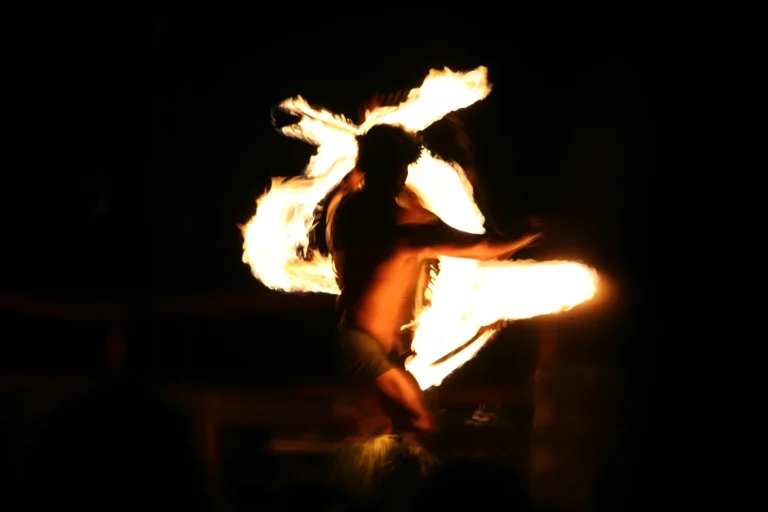
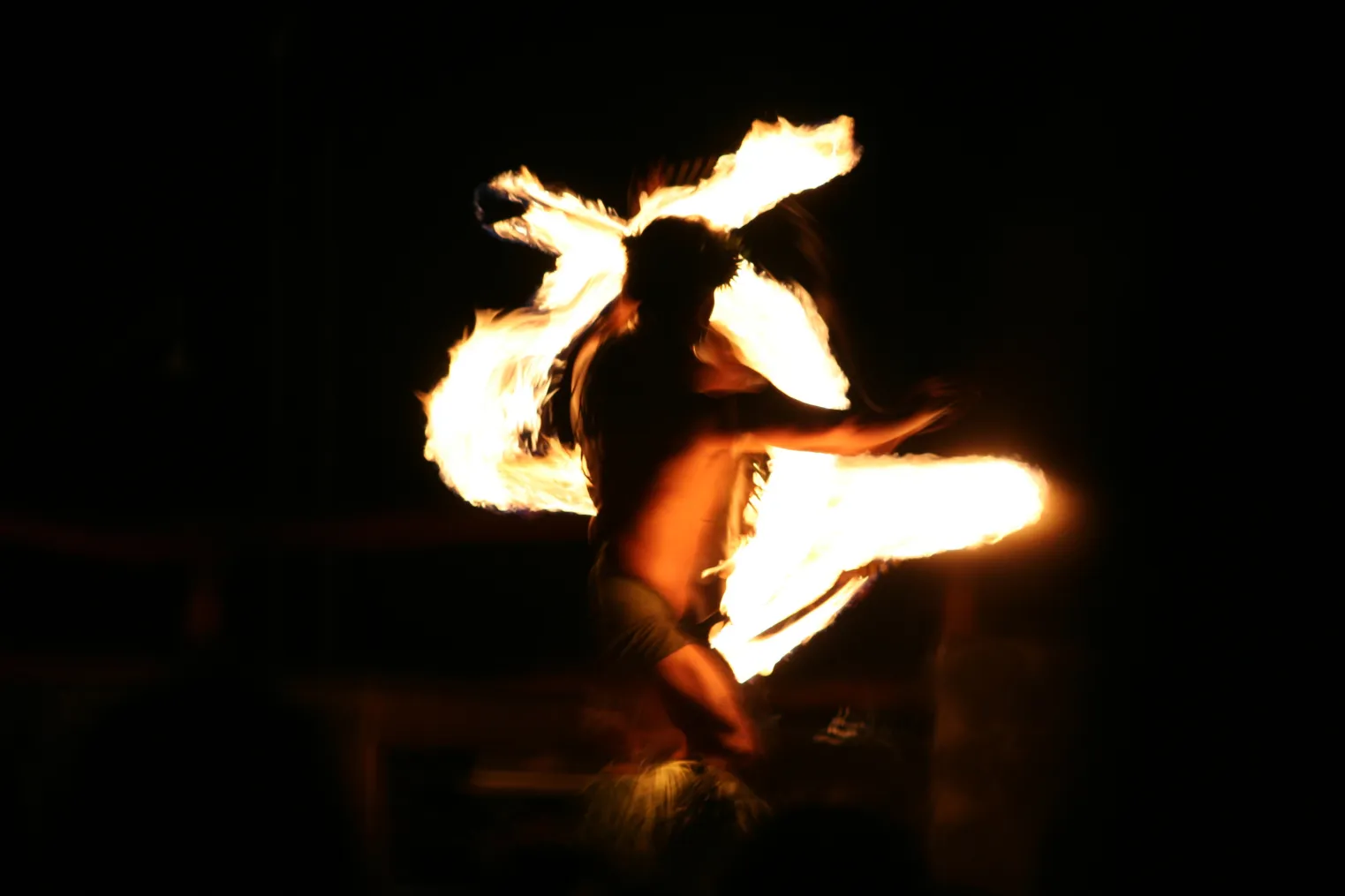
Once you’ve caught those candid crowd moments, your best move is to keep the stage footage short, steady, and easy to watch. Aim for short clips of 10 to 20 seconds so you capture a dancer’s turn, a fire-knife flourish, or a hula segue without drifting into dull footage. Skip constant zooming. Hold a fixed focal length for cleaner composition, or move closer before the show if you can. Prioritize steady framing with a tripod or gimbal, because shaky hands blur detail and make fast sequences look messy. If you pan, do it slowly and match the music so viewers stay oriented. Don’t forget audio clarity either. Use an external mic with a windscreen, or record ambient sound near the stage to cut chatter. If you also want B-roll beyond the performances, film brief shots of the Mauka Warriors Luau menu preview dishes before guests start eating.
Edit Your Luau Footage Into Highlights
Shape your luau footage into a tight 60 to 90 second highlights reel, and open with the shot that instantly pulls people in, like the imu pig ceremony, a burst of fire-knife sparks, or a vivid hula entrance under the stage lights. Then build story pacing with 3 to 7 second clips and clear captions.
- Show pre-show laughter, leis, and poi for texture.
- Intercut close-ups and wide shots with rhythm edits.
- Skip applause, static crowd views, and full songs.
A brief voiceover can name dances and ceremonies so viewers catch the culture fast. If you filmed multiple angles, swap them every few seconds. If your night includes Mauka Warriors Luau features like included ceremonies and dinner moments, use one or two quick clips to give context without slowing the edit. Finish with subtle color grading that warms torchlight, sharpens costumes, and keeps the finale feeling alive, not overly polished on small screens.
Frequently Asked Questions
What Camera Settings Work Best for Filming a Luau at Night?
You’ll get the best results using a fast lens at f/1.8–f/2.8, ISO 1600–6400, shutter 1/125–1/250, manual exposure, tuned white balance, and a 24 or 30 fps frame rate for low light luau performances at night.
Should I Bring a Tripod, Gimbal, or Just Use My Phone?
Like a Swiss Army knife, your phone’s enough for most luau filming; add a compact tripod for seated low-light shots, or a gimbal for moving coverage. You’ll balance tripod pros, gimbal myths, and handheld techniques.
How Much Storage and Battery Life Should I Plan For?
Plan for 10–20GB per hour at 1080p, or 50–100GB at 4K/60, plus 30–50% extra. Bring extra batteries for 2–3x shoot time, multiple cards, and use cloud backup later. Base storage estimates on pre-show footage too.
Can I Post Luau Videos on Youtube or Social Media?
Absolutely, you can usually post luau videos everywhere on Earth, but you should check venue policies first, avoid permissions issues, respect cultural sensitivity, and follow monetization rules, especially if you’re uploading performance clips or identifiable guests.
What Should I Wear to Film Comfortably at a Luau?
You should wear breathable fabrics, lightweight layers, and grippy footwear so you stay cool, steady, and ready to film. Choose dark, non-reflective clothes, skip noisy accessories, and bring a light rain shell to protect gear.
Conclusion
With a little planning, you’ll come home with luau video that feels lively and respectful. You’ll catch the sweep of the stage, the beat of the drums, the shimmer of leis, and a few real smiles from your table. Keep clips short, hold your frame steady, and let the sound breathe. What’s better than replaying the fire-knife finale and hearing that first crowd gasp again? Your future self, probably sandy and hungry, will thank you for it.