At Mauka Warriors Luau, you don’t just watch dinner appear. You see the imu opened at sunset, when hot stones hiss under wet leaves and a cloud of smoky steam rolls into the air. A host shares why this earth-oven tradition matters, then the kalua pork comes out tender enough to fall apart at a touch. It’s quick, vivid, and a little primal, and it sets up the feast in a way you won’t forget.
Key Takeaways
- The Imu Ceremony is the luau’s traditional Hawaiian underground-oven reveal, where slow-cooked kalua pork and other foods are unearthed before dinner.
- An earthen pit filled with hot stones, banana or ti leaves, and soil traps steam to cook the food for hours.
- At Mauka Warriors Luau, staff open the imu just before sunset, releasing smoky steam and explaining the cooking method and meaning.
- The ceremony also carries cultural significance, often including blessing traditions that honor ancestors, land, and Hawaiian food heritage.
- Guests should arrive early for better views, listen respectfully, and follow staff directions because the pit area is hot and crowded.
What Is the Imu Ceremony?
Fire, earth, and dinner come together in the imu ceremony at Mauka Warriors Luau. You watch staff reveal an underground oven where a pig and other foods have slow-cooked over hot stones beneath wet banana leaves. At the imu reveal, steam lifts fast and the scent of Kalua pork rolls through the crowd. It smells smoky, salty, and instantly dinner-worthy.
You also get a short, lively explanation of the pit, the plants used, and how the feast comes together before buffet service begins. The viewing area is small, so you’ll want a front-row spot if you hope to see the pig clearly and maybe snag a free sample nearby. It all happens just before sunset, which gives the moment a glow and suspense. The luau menu preview helps set expectations for the dishes that follow the imu reveal.
Why Does the Imu Matter in Hawaii?
When you watch the imu open near sunset, you’re seeing more than a cooking pit. You’re watching a living symbol of Hawaiian heritage, where hot rocks, damp leaves, and smoky kalua pig carry old knowledge into the present. You also feel why it belongs at a celebration, because the shared aroma, the crowd gathering in close, and the first free bites turn dinner into a community event. In Hawaiian feasts, kalua pig is traditionally cooked in an underground oven called an imu and served shredded.
Cultural Heritage Symbol
Tradition comes alive in the imu because it does far more than cook a meal. When you watch the imu ceremony at Mauka Warriors Luau, you see a cultural heritage symbol in action. Heated stones, wet banana leaves, and earth turn simple ingredients into smoky, tender food, but the deeper meaning stays with you.
- You witness protocols with prayers, chants, and respected roles.
- You see care for ʻāina and seasonal harvests.
- You notice Indigenous knowledge preserved through taro, sweet potato, and fire.
- You connect the revelation to Hawaiian identity and history.
The process shows how ancestors understood flavor, timing, and sustainability. It also teaches you that food can carry memory. Even the steam feels like a lesson, rising straight from the ground below you. Kalo, a staple brought by Polynesian settlers, remains a powerful symbol of nourishment and ceremony in Hawaiʻi, especially when prepared through traditions rooted in Hawaiian culture.
Community And Celebration
As sunset nears, the imu ceremony shifts from a cooking method to a shared event that pulls everyone a little closer. You gather with other guests as the earth opens, steam rises, and the scent of banana leaves and smoky pork drifts out. That reveal turns dinner into a communal celebration. You don’t just watch food appear. You witness labor, patience, and aloha made visible.
At Mauka Warriors Luau, the imu ceremony invites you to taste free imu-roasted pork while learning how hot stones, leaves, and soil work together. As part of Mauka Warriors Luau, this moment reflects Oahu’s authentic island celebration and connects the feast to the wider spirit of Hawaiian gathering. You also see how the meal honors kalo, taro, bananas, coconut, and the ʻāina that feeds them. Stories pass between generations, and eating becomes a living lesson. It’s history with smells, hands, and zero homework.
When Does the Imu Ceremony Start?
Just before sunset, the imu ceremony begins at Mauka Warriors Luau, right in that golden window before dinner when everyone starts drifting toward the oven with cameras ready.
You’ll usually catch the imu revealing during the pre-show activities, timed so you can watch the presentation and still head toward buffet service soon after. Keep these cues in mind:
- Arrive early if you have premium/front-row seating
- Listen for PA announcements directing guests
- Follow your wristband color for buffet dismissal
- Show up even in light rain
Because the viewing area is small, early arrivals get the best sightlines. If you’re in the Moi package, you’ll also get first buffet access after the ceremony, which makes that sunset timing feel especially well planned for most guests tonight. This timing fits the overall arrival to finale flow of the Mauka Warriors Luau experience.
How Does the Imu Ceremony Work?
When the imu ceremony begins, you’re watching a Hawaiian underground oven come to life from the outside in. Cast members heat an earthen pit with stones, then layer wet banana leaves and tapa cloth to hold in steam. Next, they lower the wrapped kalua pig and other foods inside, seal the pit with more leaves, and cover it all with soil for hours of slow roasting. At Mauka Warriors Luau, the imu ceremony is one of the key traditional demonstrations guests can expect to see as part of the evening experience.
At the imu disclosure, you see the process reversed. Workers pull back the earth, lift the steaming layers, and reveal meat cooked the traditional Hawaiian way. You’ll usually hear a short cultural explanation as fragrant pork rises into the air. If you’re close enough, you may even catch a tasting sample before dinner starts that evening for yourself.
What Will You See at Mauka Warriors?
At Mauka Warriors, you don’t only hear about the imu. You watch the imu unveiling just before sunset, when the underground oven opens and steam rolls out around the slow-roasted pig. Cast narration helps you follow each step, and nearby samples let you taste what all that patient heat can do. The nighttime vibes at Coral Crater make the unveiling feel even more dramatic as daylight fades.
- Steam and smoke rising from the pit
- Wet banana leaves and hot stones explained
- The whole roasted pig revealed up close
- Free samples and easy photo moments
You’ll also hear a short talk on traditional technique and feast use. The scene signals dinner is starting, so the area gets crowded fast. Arrive early or claim a front-row spot unless you enjoy photographing someone else’s shoulder while the buffet line quietly begins to form.
Why Does the Imu Blessing Matter?
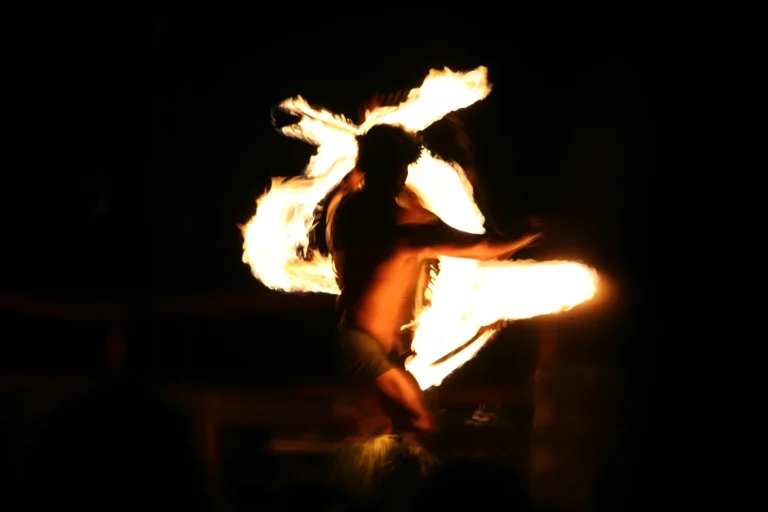
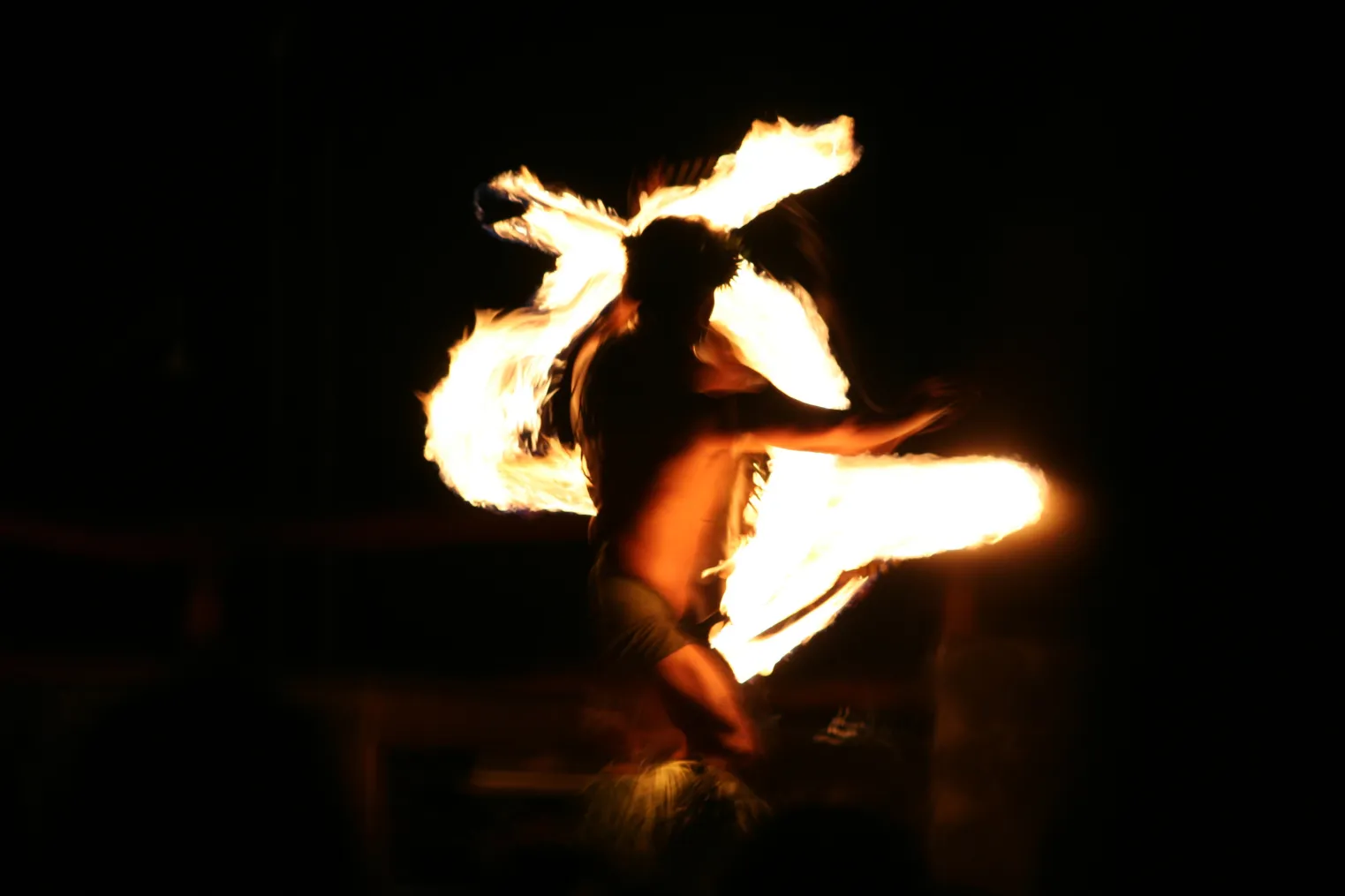
When you watch the imu blessing, you see that this isn’t just dinner prep. You hear chants, catch the earthy scent of banana leaves and hot stones, and feel the respect given to the land, the food, and the hands that tended the oven. As the pig is revealed near sunset, you don’t just get a meal, you step into a shared moment of gratitude that feels bigger than the buffet line. Later in the evening, the Fire Knife Dance adds another powerful cultural moment to the Mauka Warriors Luau experience.
Cultural Respect
Because the imu blessing does more than open dinner, it sets the tone for how you’re meant to experience the whole evening. You see that the imu blessing asks for attention, not applause. It reminds you that kalua pork comes from skill, care, and reciprocity, not a buffet line.
- Arrive early for the reveal before sunset.
- Listen quietly and watch the leaves, steam, and carved pit.
- Stay out of restricted areas and follow cast directions.
- Treat the food as a cultural gift, not a photo prop.
- Practice respectful photography by taking any pictures discreetly and only when it does not interrupt the ceremony.
When you understand that respect shapes every step, the ceremony feels richer. You notice the bananas, coconuts, and earth oven method. You also help protect the dignity of the site, the teachers, and the community sharing dinner together.
Spiritual Connection
Although the imu reveal brings out the kalua pig, the blessing tells you this moment means more than dinner. You hear a pule before the earth opens, and that prayer shifts the mood. Smoke hangs in the air. Ti leaves glisten. The crowd quiets.
With the imu blessing, you’re asked to see the food as a gift tied to land, lineage, and kaiāulu. The words honor ancestors, thank deities, and ask for safe handling and nourishment. That makes the kalua pig feel less like a buffet star and more like part of a living story. In luau etiquette, quiet attention during blessings helps show respect for the cultural meaning of the ceremony. You also glimpse mālōma ʻāina in action. Respect for the land isn’t abstract here. It’s in the oven, the hands, and the shared meal. Even sunset seems to pause and listen for a beat.
How Does the Imu Become Kalua Pig?
Picture the imu as Hawaii’s original slow cooker, only buried in the earth and running on hot stones, steam, and patience. You’re watching a traditional imu turn a seasoned whole pig into kalua pork through heat, moisture, and time.
An imu is Hawaii’s underground slow cooker, transforming a whole pig into smoky, tender kalua pork with stone heat, steam, and time.
- Workers line the pit with blazing stones.
- They wrap the pig in ti or banana leaves.
- Steam and stone heat cook it for 6 to 8 hours.
- Collagen melts, fat renders, and the meat turns smoky and tender.
At Mauka Warriors, this cooking tradition is also part of Polynesian warrior history, connecting the meal to the cultural practices and heritage shared during the luau.
Where Should You Stand for the Best View?
You’ll get the best look at the imu pit if you claim a front-row spot before sunset, when the steam rises and the pig revealing starts. If you’ve got Mo’i seating, you’re in great shape, but even with Ali’i or Koa, you should head to the viewing area early before the crowd stacks up shoulder to shoulder. Skip the back-row crush if you can, because a side or forward spot lets you catch the heat, the smoky aroma, and the moment the imu finally opens. For the best seats, Mo’i offers the strongest view, but arriving early still matters no matter which section you’re in.
Imu Pit Front Row
Smoke and sea air set the scene just before sunset, when the imu pit becomes the most popular spot at Mauka Warriors Luau. For the best imu pit disclosure, you should aim for the front-row area near the pit, where the roast pig appears and samples circulate.
- Choose a side angle for clearer photos.
- Stand slightly higher if you can.
- Expect back rows to crowd fast.
- Mo’i/Royal package includes front-row reserved seating.
That last perk matters. You’ll see the handlers lift leaves, uncover the underground oven, and disclose the pig without craning over shoulders. With the Mo’i/Royal package, you also get the closest vantage point, which makes the heat, smoke, and drumbeat feel wonderfully immediate. It beats playing peekaboo with someone else’s sunhat there nearby. This front-row benefit aligns with the Mo’i/Royal package seating advantage described in the Mauka Warriors Luau seating guide.
Arrive Before Sunset
Because the imu revealing happens just before sunset, your best move is to arrive early and claim a front-row spot by the demonstration area before the shuttle crowds roll in.
Drive in before the drop-offs and you’ll catch the ritual with room to breathe. The pit opens with a warm rush of steam and smoky aroma as the pig rises for the imu revealing. You’ll hear a short cultural narration, then watch the glossy meat presented. At Mauka Warriors Luau check-in, arriving early also helps make the whole entry process smoother before the busiest wave of guests. If you booked the Moi or Royal package, front-row reserved seating and earlier buffet dismissal can help you get there in time. Stay close enough to see workers lift the leaves and hear the hiss from the pit. Nearby guests may get free kalua pork samples for waiting.
Avoid Back-Crowd Spots
While the biggest cluster tends to pack in at the center, your best view usually comes from a step off to the side near the front of the imu area. Get to the imu revealing area early, because front-row spots disappear fast after check-in.
- Stand on the paved walkway for steady footing and cleaner photos.
- Angle slightly sideways, not behind taller guests, for open sightlines.
- If you booked a premium package, ask for seats closest to the imu.
- Stay near the lawn or platform by the stage, not the buffet rush for samples.
Keep your phone at chest height and protect your elbowroom. You’ll see the pig rise from the underground oven without the back crowd squeeze around you. Better view, less shuffle overall. Since entry can involve security screening, arriving a little earlier also helps you claim a strong viewing spot without feeling rushed.
What Is Proper Imu Ceremony Etiquette?
Arrive early and claim a good spot, since the imu reveal happens just before sunset and the viewing area fills up fast. Treat the imu unveiling like a cultural moment, not a photo scrum. Stand back from the pit and follow staff directions, because hot stones and steam mean only designated cast members should handle the imu and imu-roasted pork. Don’t touch the banana leaves, step into restricted areas, or reach for a ceremonial offering. Listen to the narration and notice the earthy scent, the hiss of steam, and the careful rhythm of the presentation. If you’re offered a sample, accept politely and try a small bite first. Thank the staff or tip if someone gives you extra help nearby tonight with directions graciously. Since weather can change quickly, be prepared for rain policy updates and follow any staff instructions if showers move through during the ceremony.
Is the Imu Ceremony Good for Kids?
How kid-friendly is the imu ceremony at Mauka Warriors Luau? Very, if you plan ahead. The imu reveal gives children a close look at the underground oven tradition just before sunset. It feels family-friendly because you get a short, lively lesson on bananas and coconuts, then real sensory fun from warm steam and smoky aroma. For best photo spots, arrive a little early so kids can see clearly and you can catch the ceremony in the best light.
- Arrive early for a front-row viewing spot
- Expect a small area and quick-forming crowds
- Let kids enjoy the smell, steam, and pig presentation
- Plan a snack or rest since timing can be tricky
You’ll notice that children often stay curious when they can see, smell, and ask questions. Pre-show lei-making and kid hula lessons also help. If your child gets tired near dinner, a little prep saves the evening, and maybe your patience too.
What Happens After the Imu Unveiling?
Usually, the moment the imu opens and that smoky steam rolls out, the ceremony shifts quickly from show to tasting. You watch staff manage the crowd while a short narration explains the imu revealing and why the technique matters. Then guests near the pit often receive free bites of tender imu pork, so being close helps.
After the sampling, dinner moves fast. Moi package guests are usually dismissed first, and then the wider buffet opens. The freshly unearthed pork joins the all-you-can-eat Polynesian spread, which turns the cultural moment into your meal. From there, you head toward pre-show activities or settle in for dinner feeling like you’ve just watched your entree make a dramatic entrance tonight before music starts nearby for your evening feast. Since how much walking can vary around Mauka Warriors Luau, it helps to stay aware of where the imu area sits in relation to dining and activity spaces.
Tips for Watching the Imu Ceremony
To get the most out of the imu ceremony, stake out your spot early and stay close to the pit. Space fills fast, and front-row seating gives you the clearest look at the kalua pig as it’s lifted from the earth.
Arrive early and claim a spot by the pit if you want the best view of the kalua pig reveal.
- Arrive before shuttle crowds so you can browse nearby cultural stations too.
- Stand close enough to hear the narration about wet banana leaves and cooking methods.
- Watch the clock since the imu ceremony happens just before sunset and dinner.
- Bring a little cash for tips or extra samples if they’re offered.
You’ll smell the steam first, then see the pig revealed. Stay nearby after the demo if you want free samples and a head start on the first buffet dismissal. Timing matters, unless you enjoy watching pork disappear. If you’re wondering about buffet portions later, guests at Mauka Warriors Luau can typically go back for seconds at dinner.
Why the Imu Feels So Memorable
Memory sticks fast at the imu because it hits all your senses at once. You see the whole pig rise from the pit, feel the heat, and catch earthy steam mixed with smoky pork. That reveal lands harder because you hear a short talk about Hawaiian culture and how banana leaves, coconuts, and the underground oven shape island food. On the luau grounds, the crowd gathers close, which makes the moment feel shared instead of staged. Free samples help, too. As part of the evening itinerary, the imu ceremony helps set the pace for everything that follows. When sunset nears and dinner follows, the timing gives the ceremony a satisfying payoff. It becomes a cultural experience you don’t just watch. You remember it in your nose, skin, ears, and appetite long after the show ends, and your camera does its best.
Frequently Asked Questions
Do You Need Reservations Specifically for the Imu Ceremony?
No, you don’t need separate reservations for the imu ceremony; your luau ticket includes it. You should arrive early, though, since advance booking doesn’t grant private access, and reservation windows don’t apply to viewing space.
Is Photography or Video Recording Allowed During the Blessing?
Yes, why not record respectfully? You can photograph and film during most of the blessing, but you should follow camera etiquette, show cultural sensitivity, and honor any recording permissions or no-recording requests from staff or presenters.
Are Vegetarian or Non-Pork Options Available After the Ceremony?
Yes, you’ll find vegetarian offerings and non-pork dishes after the ceremony, including rice, sweet potatoes, vegetables, greens, poi, and taro rolls. You can ask about gluten free options and kid friendly meals when checking in.
What Should Guests Wear to an Outdoor Luau Ceremony?
Since sunset temperatures can drop 10°F, you’ll want comfortable, casual layers for an outdoor luau: Lightweight linens, breathable tops, shorts, or dresses, plus Floral accessories, Sunscreen sandals, and a light jacket for possible sprinkles later.
Is the Imu Ceremony Canceled if It Rains?
No, you usually won’t see the imu ceremony canceled if it rains; weather contingency plans keep it going, though ceremonial adaptations may occur. You’ll want early guest positioning for the best view in wet conditions.
Conclusion
By the time you watch the imu open at Mauka Warriors, you don’t just see dinner. You see smoke curl into the dusk, hear the narration over the crackle, and catch that first rich scent of kalua pork. Hawaiian earth ovens can cook a whole pig for 6 to 8 hours, which makes the sunset reveal feel even sweeter. Stay close, bring your camera, and let your kids peek too. This is the kind of ritual you’ll still talk about tomorrow.