At a luau, you’ll hear King Kamehameha stride through torchlight, drumbeats, and sea air as history mixes with legend. Some parts hold firm: his hiding in Waipio, the battles at ʻIao and Nuʻuanu, and the final unification of Hawaiʻi by 1810. Other tales glow with omen and bravado, from comet signs to the famous Naha Stone. The trick isn’t picking one side. It’s knowing why both versions still matter.
Key Takeaways
- Kamehameha’s birth name was Paiea, and his childhood hiding in Waipiʻo Valley is partly documented, though omens like Halley’s Comet belong to legend.
- His major victories at ʻIao Valley and Nuʻuanu Pali are historical, aided by muskets, cannons, foreign advisors, and strong maritime strategy.
- Puʻukoholā Heiau is a real monument built in 1790, but prophecies and some consecration details are preserved mainly through sacred tradition.
- The Naha Stone exists in Hilo, but the story that Kamehameha lifted it alone is oral tradition, not verified history.
- Luaus often blend documented events with chants, prophecy, and symbolism, so separate dates and battles from cultural storytelling without dismissing meaning.
Who Was King Kamehameha I?
Picture a storyteller by the torchlight, leaning in as drums thrum in the background and the name Kamehameha rises above the surf. You meet King Kamehameha first as Paiea, born around 1758 and hidden in Waipio Valley to keep rival chiefs from finding him. Later called Kamehameha I, “The Lonely One,” he grew into a fierce warrior and sharp strategist. You can trace King Kamehameha’s rise through Puukohola Heiau, built in 1790, and through battles at Iao Valley and Nuuanu Pali, where he paired traditional Hawaiian fighters with cannon, firearms, and foreign advisors. By 1810, he had united the Hawaiian Islands into one kingdom. Today, statues, sacred places, and Kamehameha Day still keep his presence close for you across the islands you explore now. In Hilo, the Naha Stone is tied to the legend that whoever could move it would rule the Hawaiian Islands.
Which Kamehameha Stories Are Historically True?
As you hear Kamehameha stories at a luau, you’ll notice that some stand on firm historical ground while others glow with the color of oral tradition. You can trace documented events like Puʻukoholā Heiau, the battles at ʻIao Valley and Nuʻuanu Pali, and the diplomacy that brought Kauaʻi under his rule by 1810. You’ll also hear famous tales about a comet at his birth or the massive Naha Stone in Hilo, and that’s where history meets legend with a wink and a lot of local pride. At a warrior-themed luau, these stories are often framed to highlight courage, leadership, and the deeper meaning of warrior spirit in Hawaiian culture.
Verified Historical Events
While many luau stories glow with legend, a surprising number of Kamehameha tales rest on solid history. You can trace King Kamehameha I’s rise from a childhood spent hiding in Waipio Valley to his unification of the islands in 1810, when Kauai became a tributary under King Kaumualii. You also see hard proof at Puʻukoholā Heiau, the massive lava-stone temple he ordered in 1790, where the wind still feels charged. His victories at Iao Valley and Nuuanu Pali weren’t magic. They came with strategy, firearms, cannons, and foreign advisors. Mauka Warriors helps visitors explore Polynesian warrior history in a way that adds deeper context to Kamehameha’s military legacy. Public statues, from Aliʻiōlani Hale to Hilo, confirm why many still honor him with a flower lei as Hawaii’s greatest King. At a luau, those facts land stronger than drumbeats and harder than souvenir jokes.
Legends And Oral Traditions
Facts carry a lot of weight in Kamehameha stories, but at a luau you’ll also hear the older layer that lives in chant, memory, and family retelling. You’ll notice oral transmission at work. The comet birth glow and feather signs signal chiefly destiny, not documented fact. The Naha Stone story carries cultural resilience through memory practices. At Bishop Museum, exhibits connected to Hawaiian history and culture, alongside Aloha Bricks ’26 opening soon, can help visitors compare legend, memory, and documented interpretation.
| Story | What you hear | Status |
|---|---|---|
| Birth signs | Comet and light | Legend |
| Naha Stone | Youth lifts stone | Oral tradition |
| Puʻukoholā | Heiau and omens | Mixed |
| Battles | Cannons win | Documented |
You can hear drums, smell roast pork, and still separate verifiable battles like Iao Valley and Nuuanu Pali from sacred interpretation without killing the magic there.
Still comparing Oahu Luau?
Ask for tour ideas, hotel suggestions, or a simple trip plan that combines both.
Trip Helper
Which Kamehameha Stories Are Legend?
At a luau, you’ll often hear that a feathered comet marked Kamehameha’s birth and that prophecy followed him from the start, but those signs sit closer to legend than firm record. You may also hear that he proved his power by overturning the great Naha Stone alone, a gripping image that says as much about myth as muscle. As the drums carry through the night and the stories gather heat, you can enjoy these vivid scenes while remembering they’re part history and part storytelling sparkle. For a fuller sense of context, learning about the Battle of Kipapa can help distinguish documented Hawaiian history from the legendary storytelling often woven into performances.
Birth Omens And Prophecy
When you hear a luau storyteller describe Kamehameha’s birth, you’re stepping into a space where history and legend meet under a glowing Hawaiian sky. You’ll often hear about birth omens, a bright sky, and bird-like feathers that marked a future chief. Those details come from Hawaiian oral tradition, but luaus usually add prophetic motifs and extra drama.
If you listen closely, you can separate cultural symbolism from firmer history. Historians think Paiea was likely born around 1758, the same year lore links to Halley’s Comet, though no exact record survives. You may also hear that enemies threatened him, so caretakers hid him in Waipio Valley. That tradition has strong historical roots. His later name, Kamehameha, is real too, even if the renaming scenes sometimes sound a little too perfectly staged. As you hear these stories, remembering respect for ʻāina and moana can help place them within the broader Hawaiian values that still shape cultural understanding today.
Naha Stone Legend
If you visit Hilo and spot the great dark Naha Stone near the public library, you’ll hear one of the most famous Kamehameha legends almost right away.
Storytellers say the infant Paiea flipped this lava rock said to weigh 2.5 to 3.5 tons and proved his destiny. It’s a tale but historians file it under stone myths, not firm fact. You can feel its cultural symbolism. The stone took its name from the high Naha chiefs and later oral histories tied it tightly to Kamehameha’s rise. Another version claims whoever moved it would rule the islands. That prophecy fits neatly with unification in 1810, which is convenient enough to raise an eyebrow. Today, you’ll find tourist rituals and luau retellings around this sacred landmark. At events that also feature an Imu Ceremony, legend and ritual are often presented side by side for visitors.
How Was Kamehameha’s Birth Remembered?
Often, luau storytellers remember Kamehameha’s birth as both a real event and a sign-filled moment that seemed to light up the islands. You hear that he was likely born around 1758, and many link that year to Halley’s Comet through comet lore. At birth, he was called Paiea. After enemies threatened him and he survived, people say he later received Kamehameha, or “The Lonely One.” Some birth myths add a strange sky glow, feathered like a bird, drifting above the dark coast. Traditional accounts also include valley hiding in Waipio, where caretakers kept the infant safe from rival chiefs. So when you watch a luau, you’re hearing history braided with omen, memory, and a little starlight. It sounds vivid, salty, and quietly suspenseful tonight. In Hawaiian life, kalo was a staple food and an important part of culture, grounding many stories of chiefs in the daily world of the islands.
Did Kamehameha Really Move the Naha Stone?
Although the Naha Stone sits quietly in front of the Hilo Public Library today, it carries one of Hawaii’s biggest royal legends. When you see the massive rock, reportedly 2.5 to 3.5 tons, you can understand why luau storytellers love it. Tradition says young Kamehameha overturned it and proved destiny. Historians aren’t sure.
- You can verify the stone itself.
- You can’t verify Kamehameha moved it alone.
- Later retellings shaped stone myths and lifting rituals.
- The story still carries cultural symbolism.
How Did Kamehameha Win His Battles?
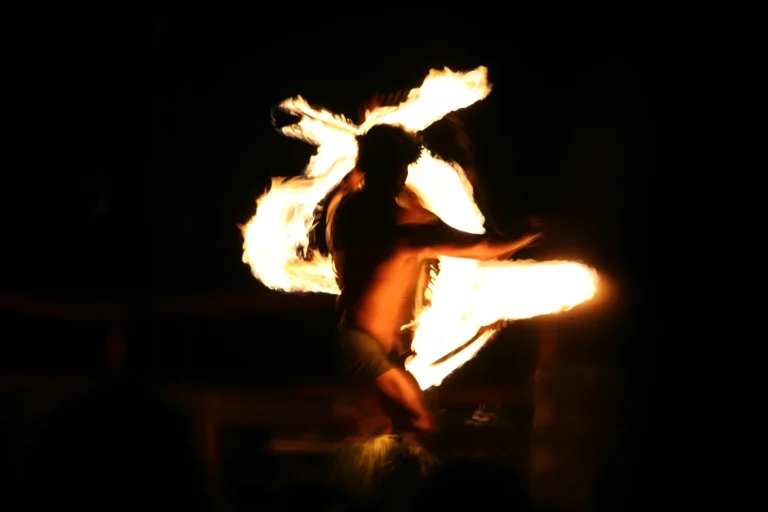
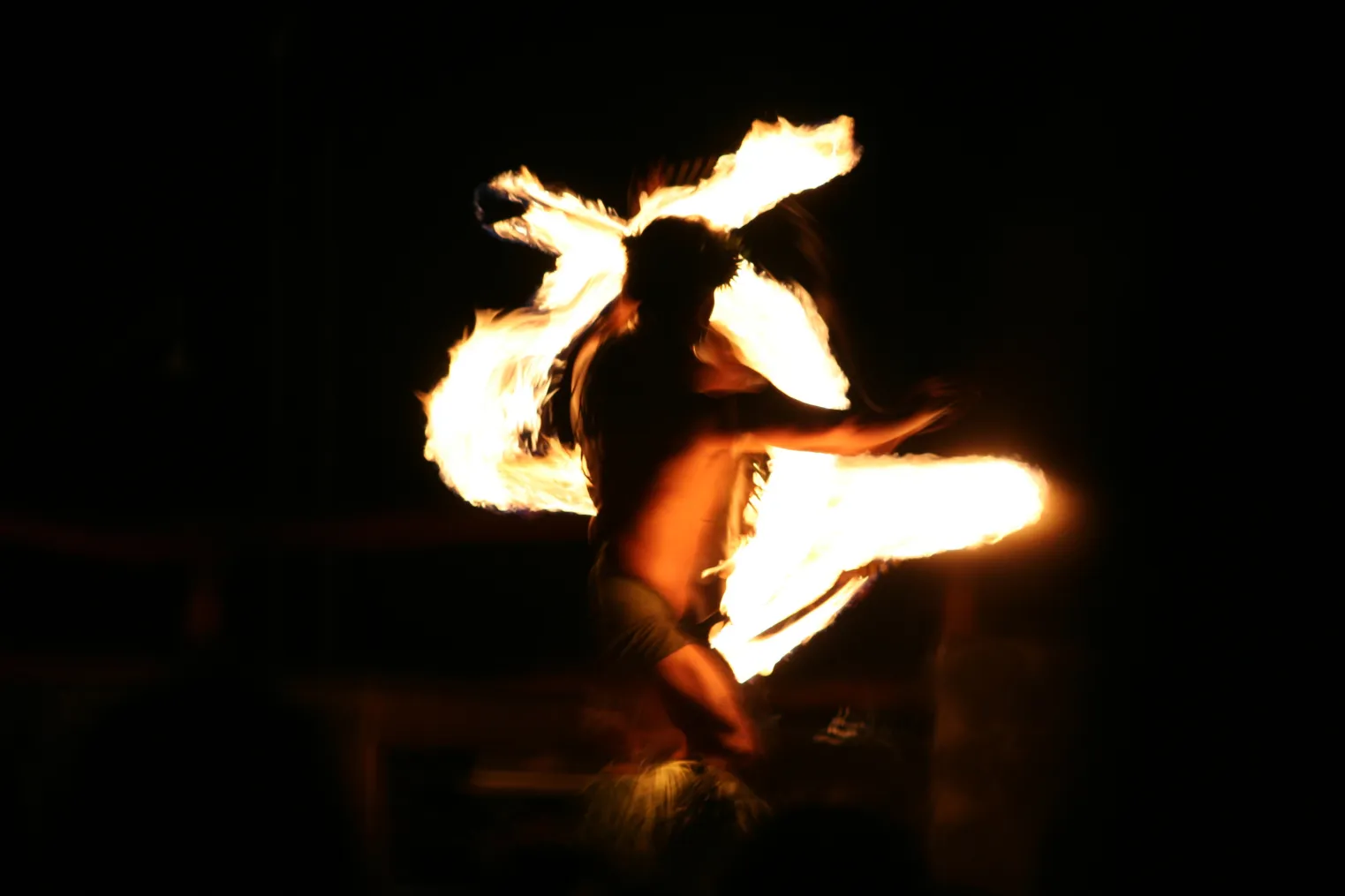
Look closely at Kamehameha’s rise, and you see that he didn’t win by strength alone. He built an edge with Western muskets and cannon, so firearm tactics mattered when fighting at Iao Valley and Nuuanu Pali. You can picture the noise and smoke rolling over steep ridges as his warriors pressed hard. At many island shows today, Fire Knife Dance performances help audiences imagine the intensity and spectacle often associated with Hawaiian warrior traditions. Just as important, his logistics strategy was sharp. He moved forces island by island, used coastal landings, struck by surprise, and hit divided rivals at the right moment. That timing broke Oahu’s resistance fast. Even the Naha Stone story fits leadership psychology: it boosted his mana more than it explained combat. And in 1810, you see the final lesson: diplomacy finished what battles started, when Kauai’s ruler became a tributary king peacefully.
Why Is Puukohol Heiau Sacred?
When you stand at Puʻukoholā Heiau in North Kohala, you can almost feel why this lava-rock temple is sacred, because Kamehameha built it after a prophecy said this very spot would help him unite the islands. You see more than stacked stones and broad walls here, since the heiau gave his conquest a holy purpose through rituals that tied military power to the favor of the gods. Today, as wind moves over the dry grass and dark rock warms in the sun, you’re standing in a place that still holds prayer, memory, and Kamehameha’s legacy.
Prophecy And Conquest
Destiny hangs over Puʻukoholā Heiau, a huge stone temple Kamehameha I built in 1790 on the Kohala coast to honor the war god Kū and push his bid to unite the islands. You can feel why this place mattered.
- prophecy rituals promised victory if the heiau was finished.
- priestly counsel guided Kamehameha and his kahuna.
- Thousands passed rough lava stones hand to hand, raising a stark 100-by-150-foot platform.
- Its fortress shape carried conquest symbolism before any battle began.
When you picture chants, sacrifices, and surf below the cliffs, you see how religion and strategy fused here. The message was simple: complete the shrine, win divine favor, and claim the islands. You almost hear the labor, the prayers, and the political calculation clicking together like coral.
Sacred Temple Legacy
Because Puʻukoholā Heiau was built as a luakini, or war temple, Hawaiians have long treated it as sacred ground where faith and state power met in plain sight. When you stand above the dry coast, you can see why. Kamehameha and his kahuna directed workers who passed huge lava rocks hand to hand, turning this sacred landscape into a statement of authority. Its consecration followed strict kapu and, in traditional accounts, human sacrifice, so the heiau didn’t simply host ceremony. It confirmed a king’s right to conquer. The site also fulfilled prophecy by anchoring a new political and religious center. Today you walk restored remains at Puʻukoholā Heiau National Historic Site, where ocean wind, black stone, ritual revival, and ancestral stewardship still mark it.
How Did Kamehameha Unite Hawaii?
Although Kamehameha is often remembered as a legendary warrior, he united Hawaiʻi through a sharp mix of force, strategy, and symbolism. You can trace it in four moves:
- Maritime strategy let him move fighters, weapons, and supplies across rough channels.
- Resource consolidation gave his forces food, labor, and canoes.
- Island diplomacy mattered too, since Kauaʻi joined in 1810 when Kaumualiʻi became a tributary.
- Western muskets, cannons, and advisors helped win brutal fights at ʻIao Valley and Nuʻuanu Pali.
Puʻukoholā Heiau added sacred authority, tied to prophecy and political theater. Legends about the Naha Stone and his hidden childhood strengthened your sense that rivals faced more than a chief. By 1810, one kingdom stood and foreign powers met Hawaiʻi as one firmly on the world stage. Even today, some Oʻahu luaus frame this history for visitors through a romantic luau experience that blends storytelling with Hawaiian performance.
Why Do Luaus Retell Kamehameha Stories?
Memory comes alive at a luau when dancers, drummers, and storytellers retell King Kamehameha’s rise and remind you that Hawaiʻi became one kingdom in 1810. You hear chants, see torchlight, and follow a story that honors unification while making history feel present, not dusty. On Oahu, experiences like the Mauka Warriors Luau help guests connect those stories to a living island celebration.
| You notice | Story element | Why it matters |
|---|---|---|
| Drums | Hidden childhood | cultural transmission |
| Chants | “Lonely One” name | audience engagement |
| Strong poses | Naha Stone | leadership themes |
| Cliffside images | Iao and Nuuanu | modern relevance |
Luaus mix verified history with legend so you can grasp Puukohol Heiau, Western weapons, and Kaumualiʻi’s tributary deal without a lecture. Song and dance keep Hawaiian identity vivid, and yes, way more fun than a quiz during Kamehameha Day celebrations and other feasts that welcome curious guests at night.
Where Can You See Kamehameha Statues?
If the stories at a luau spark your curiosity, you can keep following Kamehameha’s trail in bronze and stone across Hawaiʻi and even in Washington, D.C. Plan a Statue tour with these stops:
- Honolulu: the best-known 1883 cast stands at Aliiolani Hale, near Iolani Palace, and gives you classic Photo spots.
- Kapaʻau: the original cast sank, resurfaced, and now stands near his believed birthplace in North Kohala.
- Washington, D.C.: a 1969 statue represents Hawaiʻi in the U.S. Capitol’s National Statuary Hall.
- Hilo: the tallest version rises 14 feet in Wailoa State Park, and the Naha Stone sits by Hilo Public Library.
Bring Cultural etiquette too. You’re visiting symbols, not props, so keep voices low and show respect. A little patience helps when others are photographing. As you visit, practice Travel Pono by honoring local residents, culture, and the places that give these monuments meaning.
Which Historic Kamehameha Sites Can You Visit?
Footsteps of a king lead you across Hawaiʻi, from a windswept temple in North Kohala to a legendary stone in Hilo and the famous statue in downtown Honolulu. Start at Puʻukoholā Heiau, the huge 1790 temple Kamehameha built to strengthen his rule. You can feel why these Sacred landscapes still command quiet respect. Nearby in Kapaʻau, you’ll find the restored original 1883 statue near his birthplace area. In Hilo, stop by the Naha Stone outside the public library and picture the young chief testing destiny with a massive boulder. On Oʻahu, the Honolulu statue stands before Aliʻiolani Hale, close to Iolani Palace and Chinatown. These Historic sites work well on Cultural tours, and Wailoa State Park adds Hilo’s tallest replica for visitors on island. Travelers staying near Kapolei can also use a West Oʻahu guide to plan an Oʻahu stop at the Honolulu statue before exploring more of the island.
Frequently Asked Questions
How Do Hawaiians Pronounce Kamehameha Correctly?
You pronounce Kamehameha kah-meh-ah-MEH-hah, stressing MEH and voicing every letter clearly. For Correct pronunciation, keep Vowel length short and pure. Remember, ʻOkina role doesn’t apply here, so you won’t add a glottal stop at all.
Are Luau Kamehameha Stories Appropriate for Children?
Yes, you’ll find these stories bloom like a lei for kids when hosts use age appropriate themes, interactive activities, and storytelling boundaries, so you can expect leadership lessons, cultural respect, and very little graphic violence.
Do Different Islands Tell Kamehameha Stories Differently?
Yes, you’ll hear different versions across islands because Island Variations spotlight Local Heroes, battles, and landmarks. You notice Kona emphasizes birthplaces, Oahu highlights Nuuanu, Maui stresses Iao, and Kauai favors diplomacy through Oral Traditions today.
How Can Visitors Respectfully Respond During Sacred Storytelling?
Nearly 1 in 5 Hawaiian residents identifies as Native Hawaiian, so you should observe quietly, follow cues, and express gratitude. You’ll show respect by staying attentive, removing hats, avoiding interruptions, and saving questions for afterward.
Are Kamehameha Reenactments at Luaus Historically Costumed?
No, you’ll usually see stylized reenactment costumes, not full historical accuracy. You can expect limited costume authenticity because most luaus favor performance durability. Ask whether producers used cultural consultation, hand-made kapa, and historically grounded featherwork details.
Conclusion
You’ll enjoy these luau stories more when you know where history ends and legend begins. Keep both in view. Truth often walks hand in hand with memory. Then the chants, drums, and torchlight feel richer, not confusing. You can visit statues, battle sites, and Puʻukoholā Heiau, then hear the Naha Stone tale with a small smile. As the saying goes, where there’s smoke there’s fire, and in Hawaii, that fire still glows in story today.